Systems That Keep Your Business Running
Commercial HVAC Services in Bozeman for businesses that rely on consistent climate control year-round
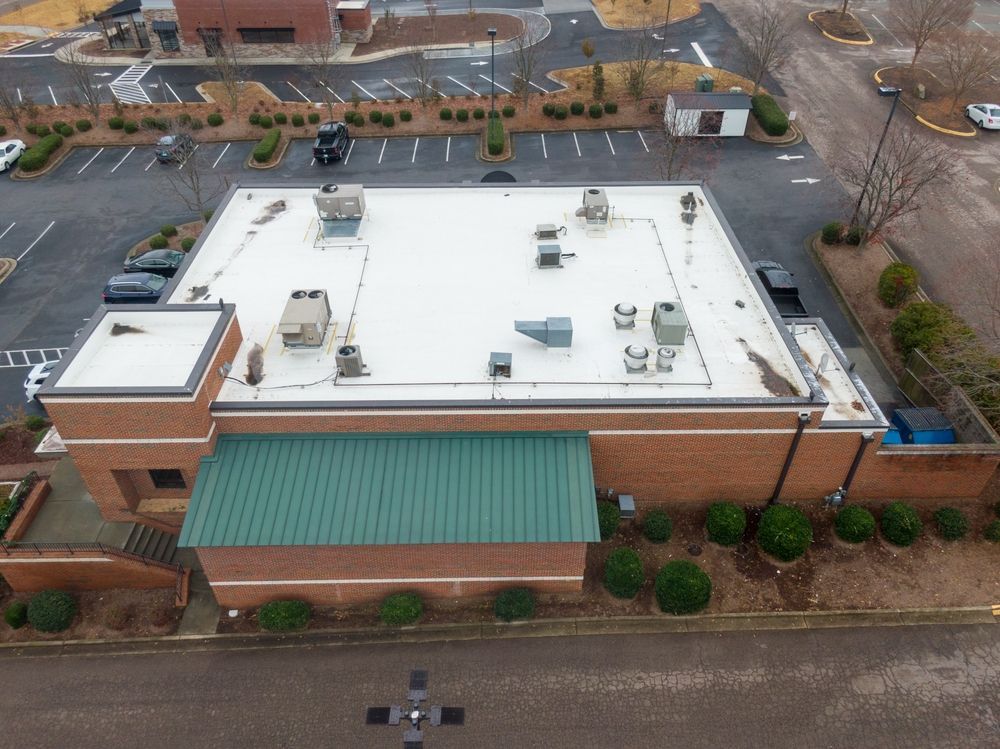
A refrigeration compressor cycles off in the middle of a dinner rush, or a rooftop unit struggles to keep up during a July afternoon—commercial HVAC failures don't wait for convenient hours. Bridger Heating & Cooling provides commercial heating, cooling, ventilation, repair, maintenance, installation, and replacement services for businesses and commercial property owners in Bozeman. Whether you manage a retail space, office building, restaurant, or industrial facility, the equipment needs to match the operating schedule, occupancy load, and ventilation requirements specific to your building.
Commercial HVAC work starts with evaluating the building layout, existing equipment condition, and how the space is actually used throughout the day. A system sized for a warehouse operates differently than one serving a medical office, and the ventilation rates, filtration standards, and temperature zones vary accordingly. Bridger Heating and Cooling assesses what the building requires before recommending repair, replacement, or system upgrades.
Schedule an on-site evaluation to review your current equipment and discuss operational concerns.
What Proper Commercial HVAC Work Involves
Commercial HVAC service begins with understanding how your building operates—occupancy patterns, critical temperature zones, and equipment access constraints all affect the approach. Bridger Heating & Cooling brings fully licensed HVAC capabilities and Trane experience to installations and repairs, ensuring equipment is matched to the building's actual load requirements. Whether it's a packaged rooftop unit, split system, or multi-zone setup, the installation process includes verifying electrical capacity, ductwork integrity, and refrigerant line sizing before startup.
Once the work is complete, you'll notice consistent temperature control across occupied spaces, quieter operation during business hours, and fewer service calls triggered by nuisance faults. Preventive maintenance schedules are built around your operating calendar, so filter changes, coil cleaning, and refrigerant checks happen during low-demand periods rather than mid-season. Documentation includes equipment specifications, warranty details, and maintenance intervals tailored to your system's workload.
Commercial systems also require planning for equipment access, especially with rooftop units exposed to Bozeman's winter conditions. Snow accumulation, ice buildup around condensate drains, and cold-start reliability all factor into maintenance timing. Bridger works directly with property managers and business owners to schedule service that minimizes disruption and addresses problems before they escalate into emergency calls.
What Business Owners Usually Ask
Commercial HVAC questions often focus on timing, equipment longevity, and what's included in routine service. These answers address common concerns from Bozeman-area businesses.
What happens during a commercial HVAC evaluation?
Bridger Heating & Cooling inspects the existing equipment, measures airflow and temperature differentials, reviews the building's usage patterns, and identifies whether repair or replacement makes sense based on the system's age and operating efficiency.
How does Bozeman's climate affect commercial HVAC equipment?
Cold winters stress heating components and increase run time, while altitude affects compressor performance and refrigerant behavior. Units exposed to snow and ice on rooftops require weatherproofing and drain line heating to prevent freeze-related failures.
What's included in commercial HVAC maintenance?
Service includes filter replacement, coil cleaning, refrigerant level checks, electrical connection inspection, thermostat calibration, and belt or motor lubrication depending on the equipment type. Trane systems also receive manufacturer-specific diagnostics when applicable.
When should commercial HVAC maintenance be scheduled?
Plan maintenance during your business's low-occupancy periods—early morning, off-season months, or scheduled closures—so technicians can access equipment without disrupting daily operations or customer comfort.
Why do commercial systems fail more often than residential units?
Commercial equipment runs longer hours, handles higher occupancy loads, and faces more airborne contaminants from cooking, manufacturing, or high foot traffic. Without scheduled maintenance, filters clog faster, coils foul, and components wear out prematurely.
Bridger Heating and Cooling builds service relationships with local businesses based on understanding your building's needs and your operational schedule. If your commercial property requires HVAC evaluation, repair, or replacement, contact Bridger to discuss equipment options and maintenance planning.