
Zoned Comfort Without Adding Ductwork
Mini Split Systems in Bozeman for additions, workshops, and spaces where ductwork installation isn't practical
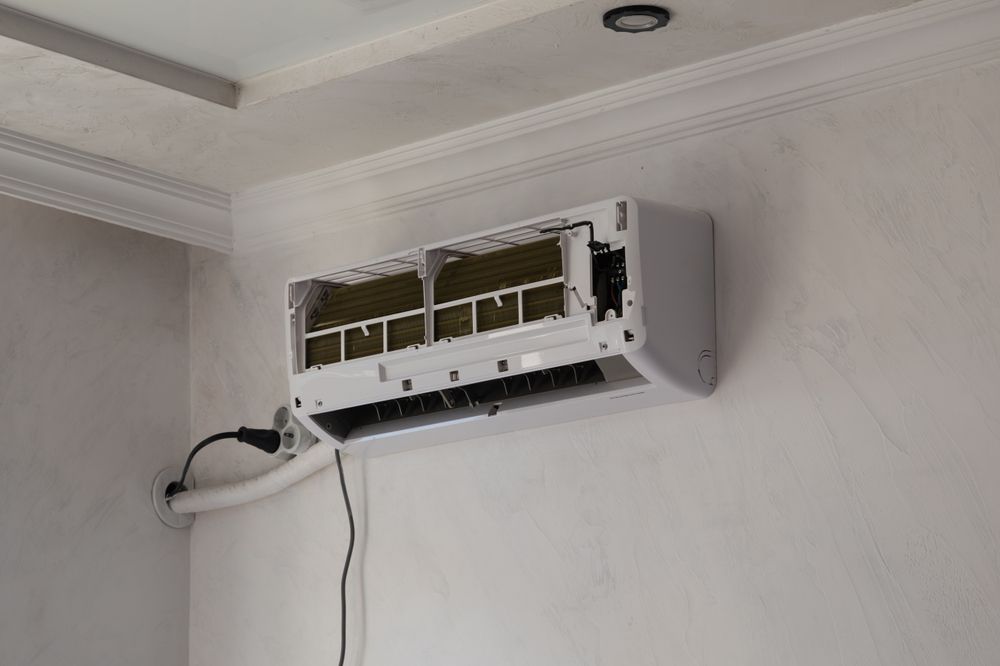
Ductless mini split systems solve heating and cooling challenges in spaces that existing HVAC equipment doesn't reach—finished garages, home additions, detached workshops, and older properties where installing ductwork would require tearing into walls and ceilings. Each indoor wall-mounted unit connects to an outdoor compressor through refrigerant lines that run through a small penetration in the exterior wall, providing independent temperature control for each zone without the cost and disruption of full ductwork installation. Bridger Heating & Cooling installs, repairs, and maintains mini split systems for residential and commercial properties across Bozeman and the Gallatin Valley, working with customers who need flexible climate control solutions that integrate with existing equipment or operate as standalone systems.
Mini split installation involves mounting indoor air handling units on interior walls, placing the outdoor condenser, running refrigerant lines and control wiring between components, and configuring each zone's temperature settings. System recommendations account for the square footage of each zone, insulation quality, window area, and whether the space requires heating only or both heating and cooling.
Schedule a mini split consultation to review system options for your property layout.
Why Mini Splits Work for Unducted Spaces
Mini split systems provide targeted heating and cooling without requiring ductwork, making them practical for spaces where running ducts through finished walls or ceilings isn't feasible. Each indoor unit operates independently, so you can heat a workshop to 65 degrees while keeping an upstairs bonus room at 72 without affecting the rest of the home's climate settings.
Once your mini split system is running, you'll notice consistent temperatures in spaces that were previously too hot in summer or too cold in winter, quieter operation than window units or space heaters, and the ability to adjust each zone independently based on how the space is being used. The wall-mounted indoor units include remote controls and programmable settings that let you adjust temperature, fan speed, and operation mode without touching the unit itself.
Multi-zone mini split systems connect up to five indoor units to a single outdoor compressor, allowing you to condition multiple separate spaces with one outdoor footprint—but each zone requires its own refrigerant line set and wall penetration, so installation complexity increases with the number of zones added.
Questions Before Starting Your Project
Customers evaluating mini split systems for their properties ask specific questions about how these systems work and whether they're appropriate for their needs, and these answers reflect the practical considerations that guide system selection.
What spaces are good candidates for mini splits?
Finished garages, home additions without existing ductwork, detached workshops, bonus rooms above garages, and older homes where installing ducts would require extensive interior work are all common mini split applications in the Bozeman area.
How many indoor units can one outdoor compressor handle?
Multi-zone systems typically support two to five indoor units connected to a single outdoor compressor, with total capacity divided among the zones—adding more indoor units means each zone receives less heating or cooling capacity unless you increase outdoor unit size.
What does mini split installation involve?
Installation includes mounting indoor units on interior walls, placing the outdoor compressor on a level pad, drilling a three-inch penetration through the exterior wall for each zone, running refrigerant lines and control wiring, and testing the system to confirm proper operation and refrigerant charge.
Can mini splits handle Bozeman winters?
Cold-climate mini split models maintain heating capacity at sub-zero outdoor temperatures, making them effective primary or supplemental heating sources for Montana's extended winter season—but system selection matters, as standard models lose efficiency at the low temperatures Gallatin County sees regularly.
How do mini splits compare to extending existing ductwork?
Mini splits avoid the cost and disruption of running new ducts through finished spaces, but each indoor unit is visible on the wall rather than hidden behind a register, and you'll hear some operational noise from the indoor fan—the trade-off is flexibility and lower installation cost.
Bridger Heating & Cooling is a locally operated business serving homeowners and commercial property managers who need practical climate control solutions for spaces that don't fit standard HVAC approaches. Call to schedule a mini split installation estimate or service appointment based on your property's heating and cooling needs.