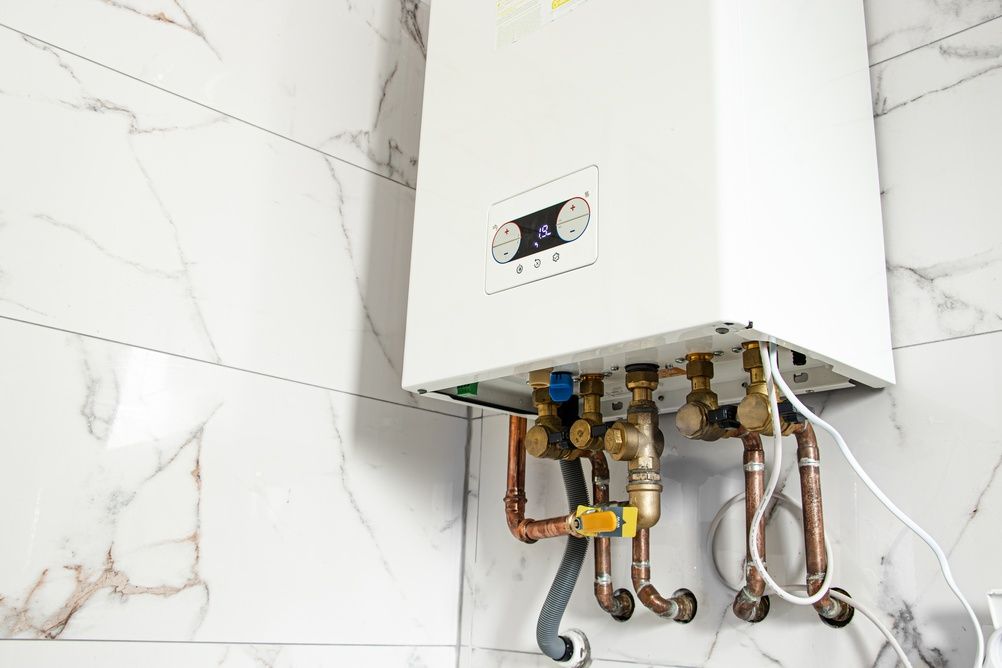

Hot Water That Keeps Up With Demand
Water Heater Services in Bozeman for homes experiencing inconsistent hot water or aging equipment
Water heaters fail gradually—first you notice the shower runs cold sooner than it used to, then you hear popping or rumbling noises from the tank, and eventually you find water pooling beneath the unit or no hot water at all. Bridger Heating & Cooling installs, repairs, and replaces water heaters for residential and commercial properties across Bozeman and southwest Montana, working with customers who need dependable hot water without upselling equipment beyond what their household demand requires. Tank-style water heaters typically last ten to fifteen years before internal corrosion and sediment buildup compromise performance, and replacing the unit before catastrophic failure prevents the water damage and emergency service costs that come with a tank rupture.
Water heater service includes diagnosing failing heating elements, faulty thermostats, sediment accumulation, anode rod depletion, and leaking tanks. Installation involves removing the old unit, positioning the new tank, connecting water supply lines, running gas or electrical connections, installing a code-compliant temperature and pressure relief valve, and testing the system under load to confirm proper operation.
Request water heater service to address equipment issues or schedule a replacement consultation.
What Proper Water Heater Installation Accomplishes
Water heater sizing depends on household demand—how many people live in the home, whether you run dishwashers and washing machines during peak morning hours, and whether multiple showers run simultaneously. A forty-gallon tank works for one or two people, while larger households typically require fifty or seventy-five gallons to avoid running out of hot water during high-demand periods.
After installation completes, you'll notice consistent hot water throughout the day, faster recovery time between high-demand uses, and quieter operation without the popping or banging sounds caused by sediment buildup in older tanks. New water heaters operate more efficiently than units nearing the end of their service life, and insulated tanks reduce standby heat loss that occurs when hot water sits unused between draws.
Water heater selection involves choosing between tank-style and tankless models, with tank units providing lower upfront cost and simpler installation while tankless systems offer endless hot water and space savings but require larger gas lines or electrical service upgrades in many homes—your existing infrastructure and hot water usage patterns determine which approach makes practical sense.
Answers to Frequent Service Questions
Homeowners facing water heater issues ask straightforward questions about repair, replacement, and equipment selection, and these answers address the considerations that affect how service proceeds.
How do I know if my water heater needs replacement?
Visible rust or corrosion on the tank exterior, water pooling beneath the unit, age exceeding twelve years, and frequent repairs that cost more than half the price of a new water heater are all indicators that replacement is more practical than continued repair investment.
What size water heater does my household need?
A household of one or two people typically requires a forty-gallon tank, while three or four people need fifty gallons, and larger families benefit from seventy-five-gallon capacity—sizing also depends on whether you run multiple hot water demands simultaneously during morning routines.
What causes the popping noise in my water heater?
Sediment accumulation at the bottom of the tank hardens and traps water beneath it, which boils and pops as the heating element cycles—flushing the tank removes loose sediment, but hardened buildup indicates the unit is nearing the end of its functional life.
How long does water heater installation take?
Most residential tank water heater replacements require three to four hours, including removal of the old unit, installation of the new tank, connection of water and fuel lines, and testing to confirm proper operation and temperature settings.
Should I choose a tank or tankless water heater?
Tank-style water heaters cost less upfront and install more easily in homes with existing tank infrastructure, while tankless models provide endless hot water and take up less space but require larger gas lines or electrical upgrades that add significantly to installation cost in Bozeman-area homes.
Bridger Heating & Cooling is a family-owned business working with homeowners and property managers who need straightforward water heater service without unnecessary upselling. Call to schedule a water heater repair or request a replacement estimate based on your current equipment condition and household hot water requirements.