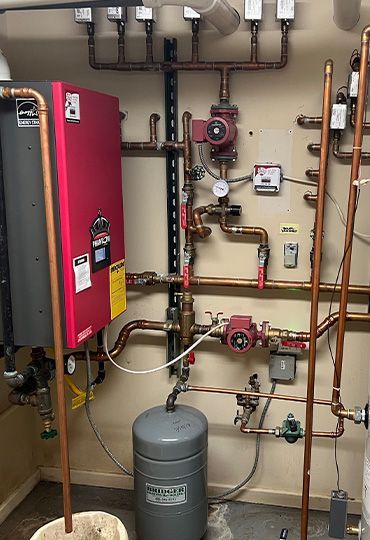

Heating Systems Rated for Montana Winters
Heating Installation in Bozeman for residential and commercial properties where elevation and extreme winter temperatures require equipment designed for Montana's climate
Not all heating equipment sold in warmer markets is appropriate for Bozeman's conditions—Gallatin County's elevation and sub-zero overnight temperatures require systems rated to handle Montana's climate demands without chronic short-cycling or premature failure. Bridger Heating & Cooling installs heating systems for residential and commercial properties throughout Bozeman and southwest Montana, with particular depth in Trane heating equipment as one of the few authorized Trane dealers in the Gallatin Valley. Correct sizing is determined through load calculations that account for your building's insulation, window area, and actual heating demand rather than defaulting to generic capacity estimates that lead to oversized systems running inefficiently or undersized systems struggling to maintain setpoint during January cold snaps.
The business has served this region since approximately 1989, giving it direct experience with the range of property types and heating demands across the valley, from older homes with aging ductwork to new construction in subdivisions expanding west toward Belgrade. Warranty documentation for new heating installations is processed in-office and delivered personally to each customer, not left for you to manage through a national call center if service is needed down the road.
Request a free estimate to discuss heating equipment options and installation requirements for your property.
Why Equipment Selection Matters in This Region
Heating equipment selection in Bozeman involves matching AFUE ratings and capacity to your building's heat loss characteristics and budget constraints—higher efficiency furnaces reduce fuel costs over the system's lifespan, but the payback period depends on your actual usage patterns and how long you plan to own the property. Trane equipment is selected based on manufacturer specifications for cold-climate performance, ensuring the system can maintain indoor temperature during the coldest stretches without running continuously or cycling on and off in ways that wear out ignition components and heat exchangers prematurely.
Once the system is installed and running, you'll notice consistent heat delivery to all rooms without the temperature fluctuations that occur when equipment is incorrectly sized or ductwork is leaking into unconditioned spaces. Fuel consumption drops compared to an aging system because combustion efficiency is optimized and the equipment doesn't have to compensate for undersized capacity or poor airflow distribution.
Installation includes verifying that ductwork can handle the airflow requirements of the new system—undersized or leaky ducts waste heated air before it reaches living spaces, a common issue in older Bozeman homes where original duct systems were installed without static pressure testing. The owner is fully licensed in HVAC and holds an electrician's license, meaning installations that require electrical work are handled by a single qualified contractor rather than coordinating between separate trades.
Questions Before Starting Your Project
Property owners throughout Gallatin County typically have similar concerns before committing to a heating system replacement, particularly when comparing efficiency tiers and understanding what the installation scope includes.
What makes a heating system appropriate for Montana's climate?
Equipment must be rated for the low-temperature operation and extended runtime that Bozeman winters demand—systems designed for milder climates often struggle to maintain setpoint during cold snaps or suffer early component failure from continuous operation over a long heating season.
How is the correct system size determined?
Load calculations account for your building's insulation levels, window area, orientation, and heat loss characteristics to size equipment that matches actual demand rather than using square footage rules of thumb that frequently result in oversized systems.
What does AFUE rating mean in practical terms?
Annual Fuel Utilization Efficiency indicates how much of the fuel consumed is converted to usable heat versus lost through exhaust—higher AFUE systems reduce monthly heating costs, but the payback period depends on your usage patterns and fuel prices.
How long does a heating installation take?
Most residential installations are completed in one to two days depending on whether ductwork modifications or electrical upgrades are needed, with the system fully operational and tested before the crew leaves.
What warranty coverage is provided with new heating equipment?
Trane equipment comes with manufacturer warranties that vary by model and efficiency tier, and Bridger processes all warranty documentation in-office so you have direct local contact if service is needed rather than managing claims through a national call center.
As a family-owned business with decades of experience in this valley, Bridger Heating & Cooling knows many of its customers by name and prioritizes long-term relationships over single-transaction sales. Call (406) 586-8191 or request a free estimate to review heating equipment options for your Bozeman property.